Description
💮 Description
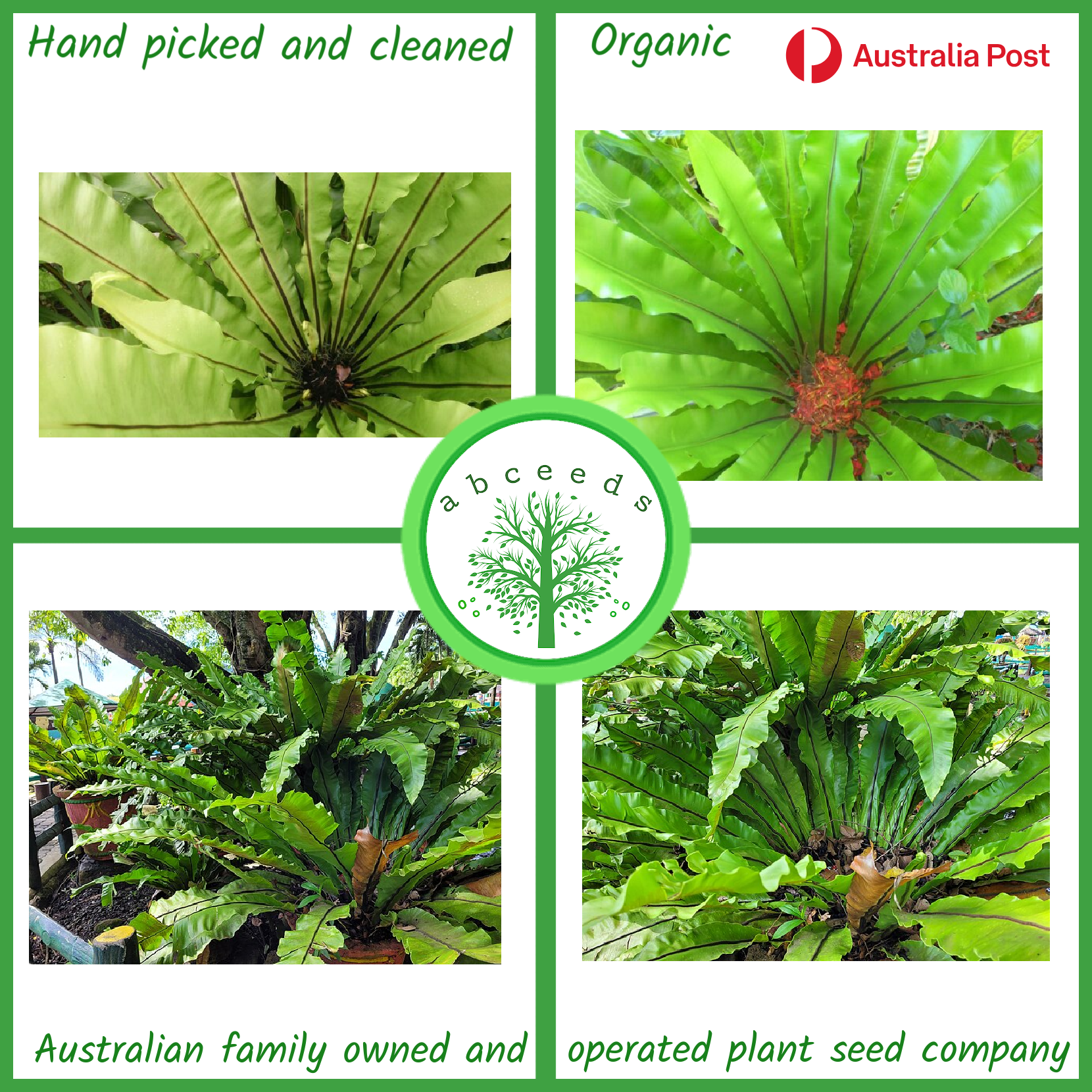
The Asplenium Nidus, commonly known as the Birds Nest Fern, is a distinctive and architectural fern native to tropical and subtropical regions of Southeast Asia, Australia, and the Pacific Islands. It features large, broad, bright green fronds that grow in a striking rosette pattern, forming a ‘nest’ shape. This central rosette is not just beautiful; in its natural, epiphytic habitat, it helps collect water and organic matter, recycling nutrients. This low-maintenance fern is highly prized for its sculptural beauty, making it a popular choice for indoor spaces and shaded garden areas.
- Quantity Options: Choose between the 1 Scoop (Approx. 0.25g) starter amount or the 1 Gram Bulk Saver option for the best value by weight. The 1 Gram Bulk Saver is the most economical choice for serious propagators and nurseries.
🌳 Key Features
- Height: Grows to 0.6–1 Metre tall, with a spread of 1 Metre or more
- Fronds: Long, smooth, glossy fronds that are bright green and arch outward from the central rosette, giving the plant a stunning vase-like form.
- Soil Preference: Prefers well-dräining, rich, organic soil
- Light Requirements: Thrives in bright, indirect light or low light conditions
- Hardiness: Suitable for tropical and subtropical climates, not frost-tolerant
☀️ Climate Suitability
- Native Habitat: Found in shaded rainforests and forest floors in Southeast Asia, Australia, and the Pacific Islands
- Temperature Tolerance: Prefers warm temperatures and humidity
- Moisture Needs: Requires consistent moisture but must be planted in well-dräining soil to prevent root rot
🌱 Growing Conditions
- Position: Prefers partial to full shade; ideal for indoor settings or shaded garden areas.
- Indoors: Best placed near a north- or east-facing window, ensuring bright, indirect light only. Bathrooms and Kitchens often provide the high humidity this fern craves.
- Outdoors: Must be planted in deep or filtered shade, protected completely from direct midday sun.
- Soil: Rich, well-dräining, and slightly acidic soil—enriched with organic matter
- Watering: Keep the soil consistently moist, but allow the top layer to dry out between waterings
- Humidity: Thrives in high humidity; mist regularly if growing indoors or in dry conditions
🌱 Propagation Instructions
- Sowing Time: Best Sown in warm, humid conditions during spring or early summer.
- Sowing Method: Lightly sprinkle Birds Nest Fern spores on the surface of a moist, fine seed-raising mix. Do not cover the spores, as they require light for germination.
- Moisture and Humidity: Maintain consistent moisture in the growing medium, ensuring it remains moist but not waterlogged. Keep humidity high, ideally around 60–80%.
- Light Requirements: Provide indirect or filtered light for optimal germination. Avoid direct sunlight as it can dry out the spores and hinder germination.
- Germination Timeframe: Germination can take several weeks to a few months. Patience is necessary. The first sign of growth is typically the appearance of the gametophyte, a small green structure. A long germination period requires patience, but the results are worth the wait.
- Transplanting: Once young ferns have developed fronds and are large enough to handle, carefully pot them up in small containers. Allow them to establish in a humid environment before moving them outdoors or to their permanent location.
⚠️ Additional Notes
- The Birds Nest Fern is an exceptional choice for architectural display. Use it as a feature plant to draw attention in shaded garden areas or as a striking contrast against trailing foliage.
- Display Ideas:
- Indoors: Perfect for bright bathrooms or kitchens where the humidity is naturally high, or as a tabletop specimen where its unique rosette shape can be fully admired.
- Outdoors: Excellent for filling shady spots, planting in containers to provide a lush, tropical focal point on patios, or mounting as an epiphyte on tree trunks (in warm climates).
- Protect young plants from direct sunlight to avoid scorching the delicate fronds.
Reviews
There are no reviews yet.