



Description
Dracaena draco – Dragon’s Blood Tree
Family: Asparagaceae
Packet Size: 10 seeds
Description
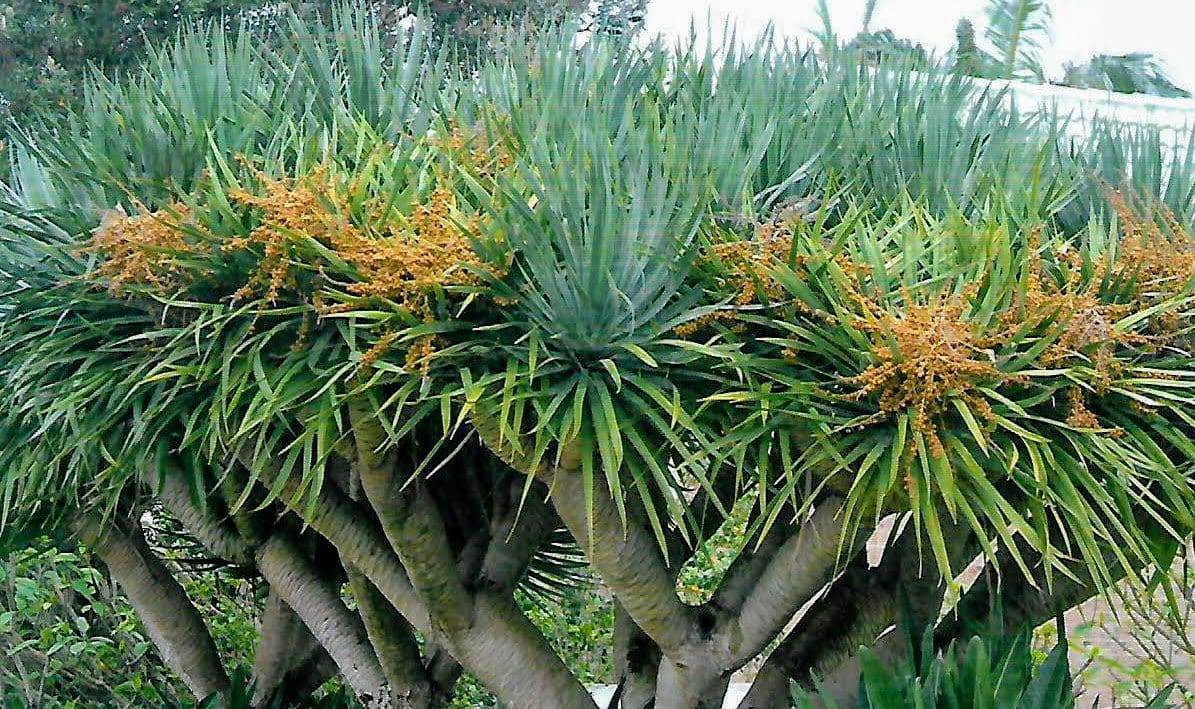
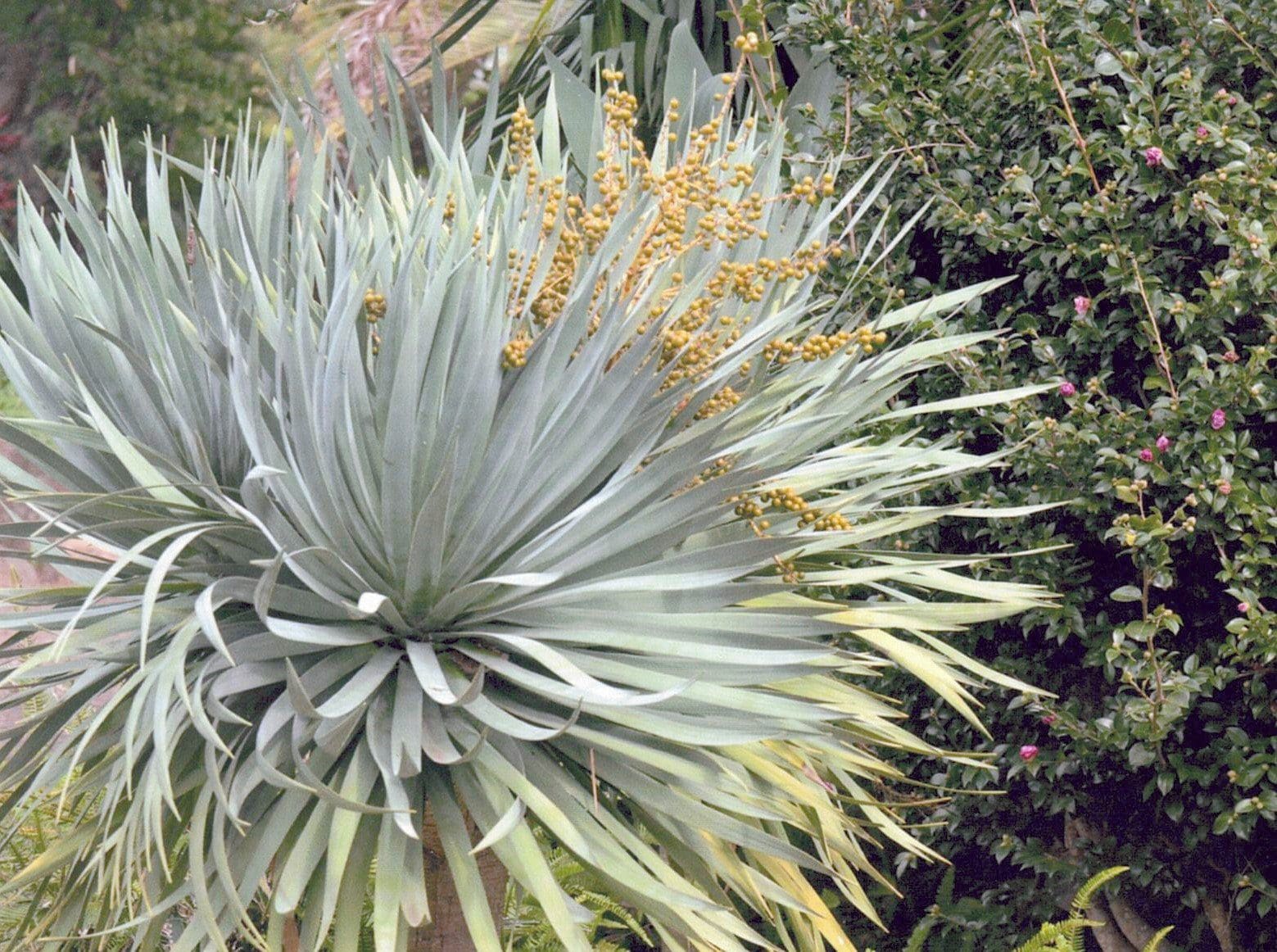
Dracaena draco, the Dragon’s Blood Tree, is a long-lived, slow-growing ornamental native to the Macaronesian region and north-west Africa. With age, its sturdy trunk can support an extraordinary branching crown topped by rosettes of stiff, narrow blue-green leaves.
It is named for the reddish resin associated with injured mature plants. Young trees remain unbranched for many years, gradually developing the sculptural form for which this species is admired.
Key Features
- Foliage: Clusters of sword-like grey-green to blue-green leaves.
- Form: Slow-growing trunk eventually branching into umbrella-like rosette clusters.
- Garden use: Distinctive architectural feature for warm, well-drained settings and large containers while young.
Growing Conditions
- Light: Bright light to full sun, gradually introduced for young seedlings.
- Soil: Very free-draining soil or gritty potting mix.
- Climate: Mild, dry to subtropical conditions; avoid persistent hard frost and wet roots.
- Care: Water moderately while establishing, then allow the mix to dry slightly between waterings.
Propagation from Seed
- Prepare: Soak the supplied, cleaned seeds in room-temperature water overnight before sowing.
- Sow: Plant about 5–10 mm deep in a free-draining, lightly moist seed mix.
- Germinate: Keep the sown seeds covered by mix, evenly moist and sheltered, at about 18–26°C. Research indicates darkness around the buried seed favours germination; move emerged seedlings into bright, sheltered light. Germination can be slow or uneven.
- Pot on: Transplant carefully when seedlings are established; water sparingly in cold weather.
Growing Note
Growth is naturally slow. Provide excellent drainage and patience rather than trying to force fast growth.
Germination advice: These instructions are a recommended guide. Germination results and timing may vary depending on seed freshness, storage, temperature and growing conditions. Alternative propagation methods may also be successful.


Reviews
There are no reviews yet.