
Description
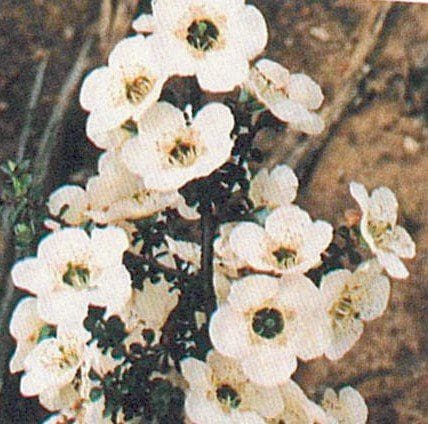
Leptospermum rotundifolium ‘Alba’ – White-flowered Round-leaf Tea-tree
Family: Myrtaceae
Packet Size: Approx. 500+ seeds
Description
Leptospermum rotundifolium, the Round-leaf Tea-tree, is a beautiful eastern Australian native shrub known for its small rounded leaves and generous spring display of comparatively large five-petalled flowers. This seed offering is associated with a white-flowered parent form labelled ‘Alba’.
The species is typically an attractive spreading shrub around 1–2 m high and up to 2–3 m wide, with dainty shiny leaves and masses of flowers when conditions suit. The distinctive foliage remains appealing beyond flowering season, making it a useful feature shrub in temperate native gardens.
Key Features
- Parent flowers: White blossoms from the selected parent plant; the species can also produce pink shades.
- Foliage: Tiny, glossy rounded leaves.
- Garden use: Feature shrub, low informal screen or flowering native border.
Growing Conditions
- Light: Full sun to part shade; good light encourages flowering.
- Soil: Well-drained soil with reliable moisture while establishing.
- Climate: Prefers temperate conditions; flowers may be less reliable in humid tropical and subtropical gardens.
- Care: Water during dry establishment periods and prune lightly after flowering.
Propagation from Seed
- Prepare: The tiny seed does not need abrasion, nicking or hot water.
- Sow: Surface-sow thinly over clean, fine-textured seed-raising mix and gently press into contact.
- Germinate: Keep in bright filtered light with steady gentle moisture and good drainage.
- Pot on: Transplant carefully when seedlings have roots and several true leaves.
Seed-Grown Variation
Seed is associated with a white-flowering parent form, but seedlings of Leptospermum rotundifolium can show natural variation in flower colour and other traits. For a guaranteed identical white-flowered selection, vegetative propagation is needed.
Germination advice: These instructions are a recommended guide. Germination results and timing may vary depending on seed freshness, storage, temperature and growing conditions. Alternative propagation methods may also be successful.
Reviews
There are no reviews yet.