


Description
Xanthostemon verticillatus – Little Penda
Family: Myrtaceae
Packet Size: 12 seeds
Description
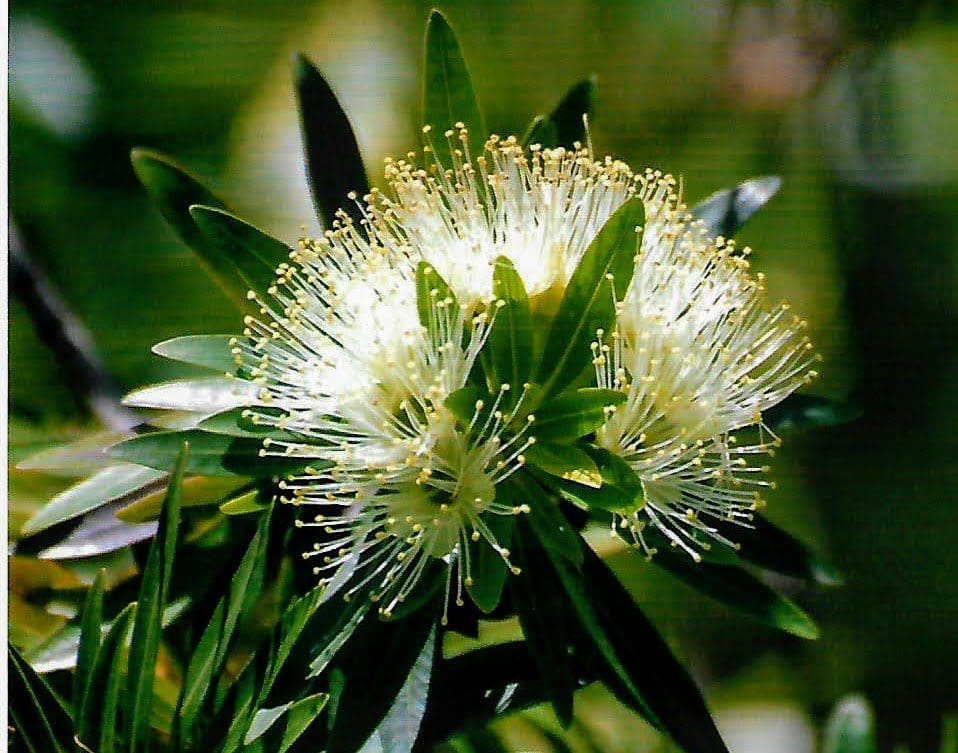
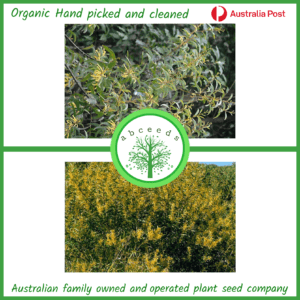
Xanthostemon verticillatus is a distinctive north Queensland rainforest species naturally associated with the boulder-strewn waterways of the Daintree and Bloomfield region. It is prized for its elegant glossy foliage and sweetly fragrant cream flowers.
The leaves form attractive whorls around the stems, a characteristic that sets Little Penda apart from other Australian members of Xanthostemon. It commonly grows as a compact to medium-sized shrub in cultivation and can become taller over time, potentially reaching about 5 m in suitable conditions. It also suits a sheltered patio container when kept appropriately pruned.
Key Features
- Flowers: Abundant cream-coloured blooms with an appealing fragrance.
- Leaves: Whorled, glossy dark-green foliage.
- Origin: A relatively uncommon species from the wet tropics of far north Queensland.
Growing Conditions
- Light: Bright light or full sun once well established, with protection for young plants.
- Soil: Light, well-drained growing medium that retains regular moisture.
- Climate: Tropical or protected warm subtropical conditions; highly frost sensitive.
- Care: Maintain moisture during active growth without allowing roots to remain stagnant.
Propagation from Seed
- Prepare: Sow the supplied cleaned seed without boiling-water treatment or damaging the small seed coat. Published species observations record germination without documenting a special pretreatment.
- Sow: Sow shallowly in a fine, free-draining yet moisture-retentive seed-raising medium.
- Germinate: Maintain gentle tropical warmth, humidity with good airflow, and even moisture in bright filtered light. CSIRO has recorded germination in about 11 days for this species, but home-gardener results may vary.
- Grow on: Pot up seedlings when rooted and protect from chilly nights.
Germination advice: These instructions are a recommended guide. Germination results and timing may vary depending on seed freshness, storage, temperature and growing conditions. Alternative propagation methods may also be successful.
Reviews
There are no reviews yet.