
Description
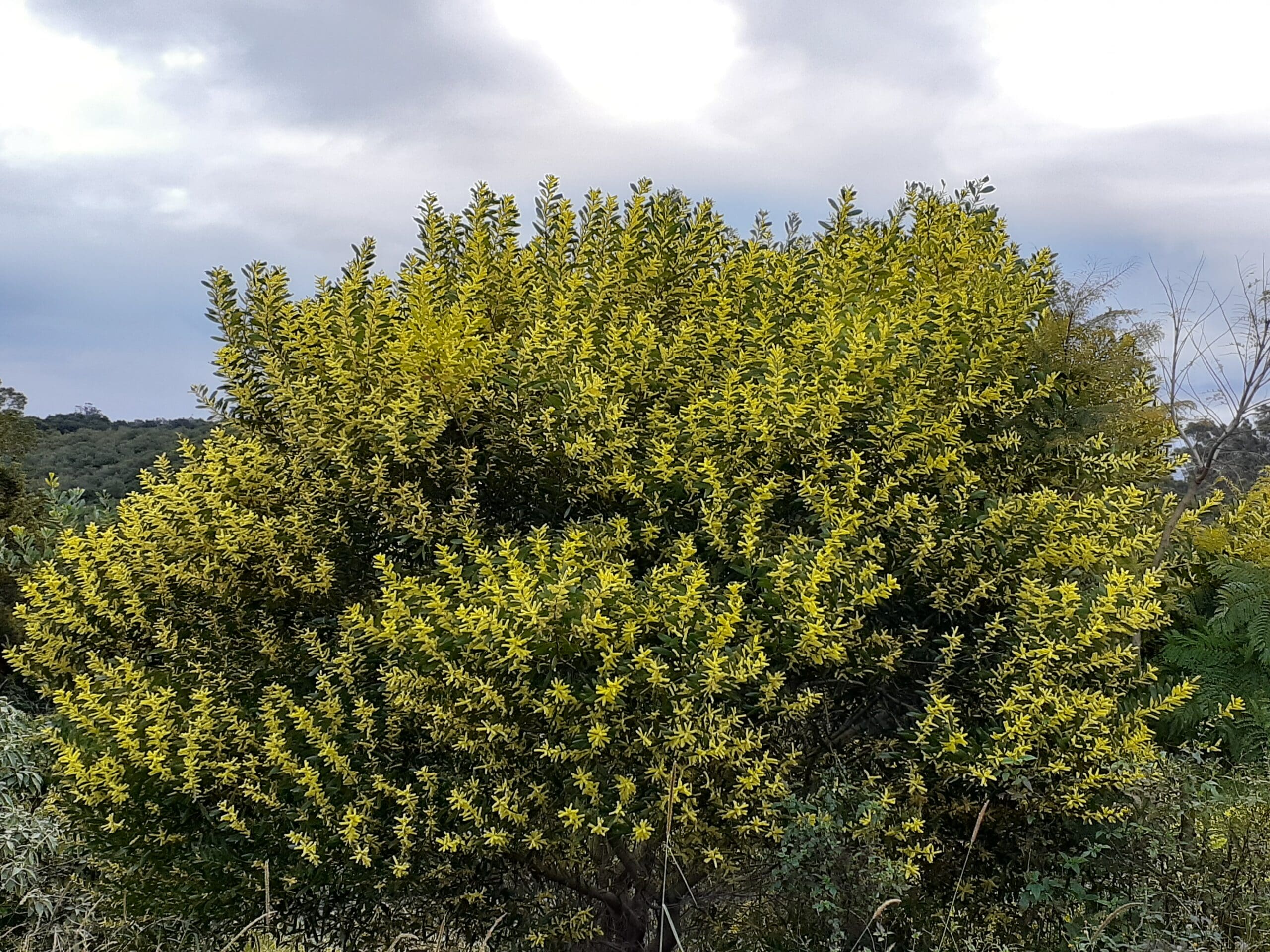
Acacia sophorae – Coastal Wattle
Family: Fabaceae
Packet Size: 40 seeds
Description
Acacia sophorae, commonly known as Coastal Wattle, is also treated by many Australian botanical authorities as Acacia longifolia subsp. sophorae. It is a hardy coastal native that grows naturally on sand dunes, headlands and other exposed shoreline habitats in eastern Australia.
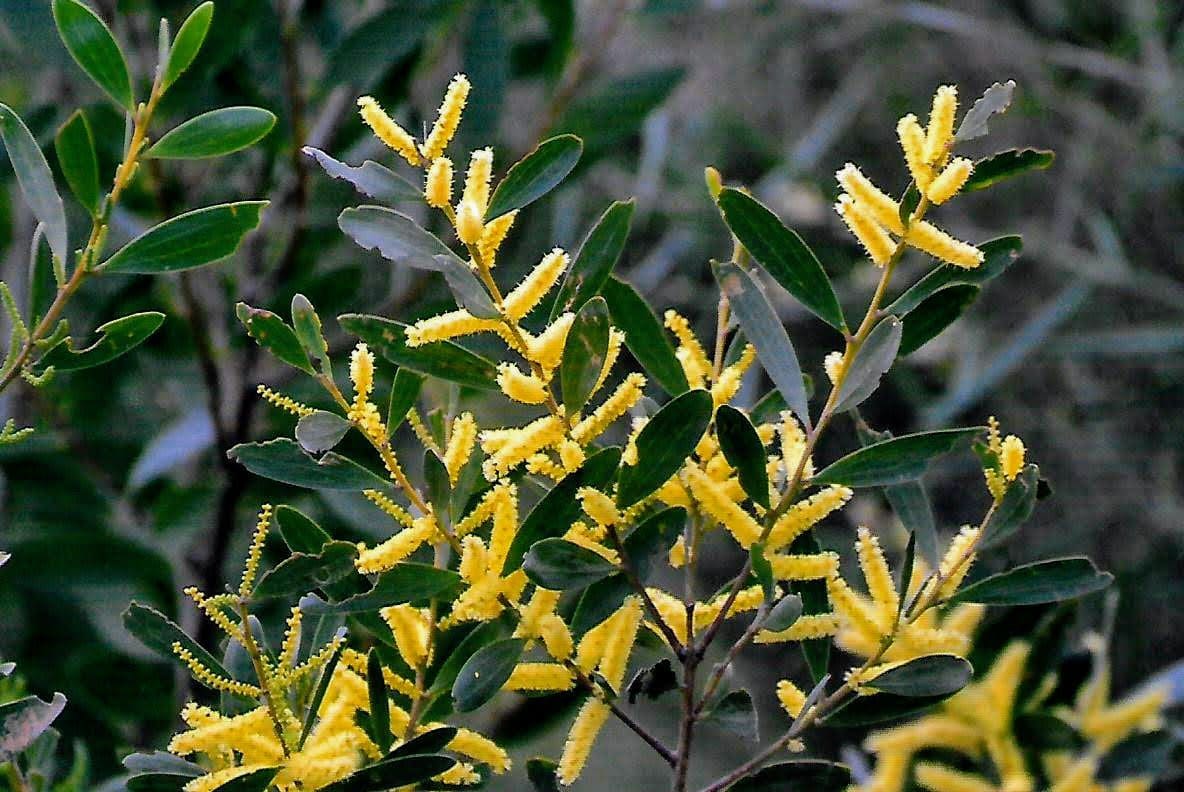
Its broad, leathery green leaves and often low, spreading branches help it cope with salty winds. Yellow cylindrical flower spikes provide a colourful seasonal display, followed by seed pods that may twist as they dry.
Key Features
- Flowers: Golden to pale-yellow cylindrical flower spikes, often in late winter and spring.
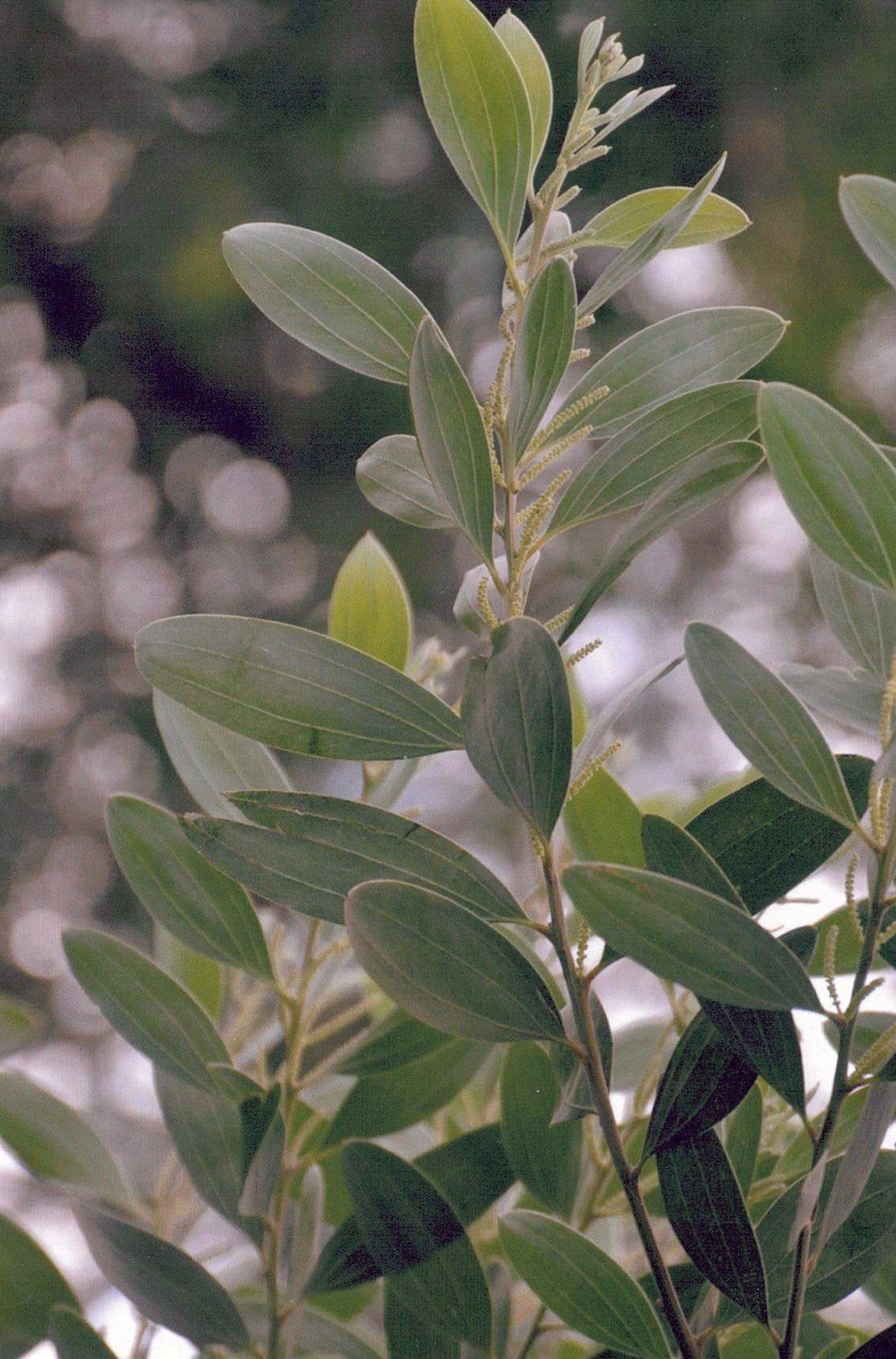
- Foliage: Fairly broad, leathery green leaves with conspicuous lengthwise veins.
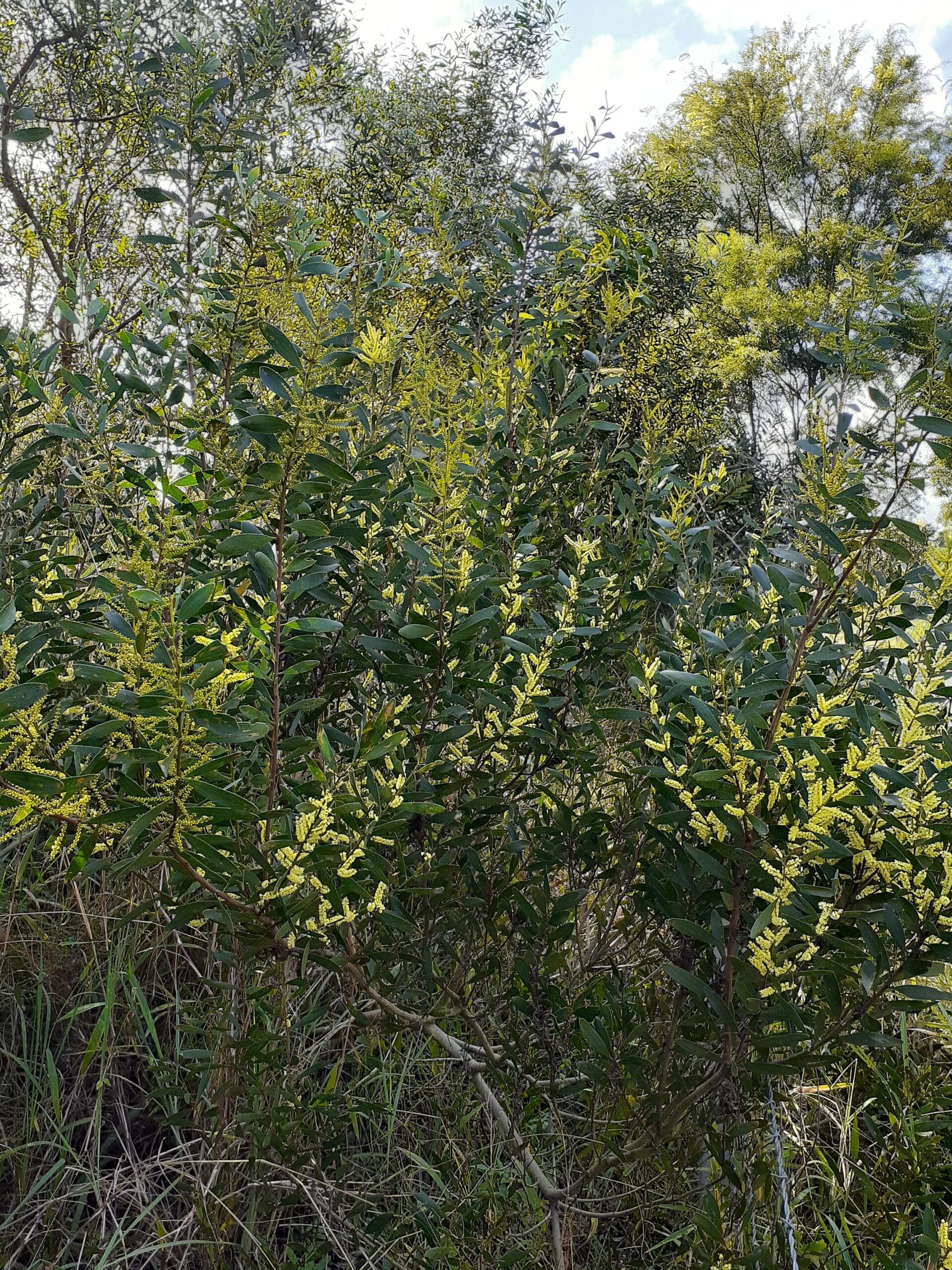
- Habit: Typically a spreading, low-growing to medium shrub, often 0.5–3 m tall.
- Garden uses: Coastal gardens, dune-stabilisation projects and appropriate salt-tolerant native plantings.
Growing Conditions
- Position: Full sun to light shade.
- Soil: Well-drained sand and other suitable free-draining soils.
- Watering: Keep watered until established; mature plants are adapted to coastal conditions.
- Climate: Handles coastal exposure, wind and salt spray.
- Management: Allow for a naturally broad spreading habit, especially in open sandy areas.
Seed Propagation
- Prepare: Wattle seeds usually have a hard seed coat. Carefully nick the coat or gently rub one side with fine sandpaper, avoiding the embryo. Soak in room-temperature water for about 12–24 hours before sowing.
- Sow: Place seeds about 5 mm deep in moist, freely draining seed-raising mix.
- Position: Keep in a warm, bright, sheltered position, away from harsh afternoon sun while seedlings are small.
- Moisture: Keep the medium evenly moist but not waterlogged.
- Germination: Germination varies with seed age, temperature and nicking or scratching the seed coat. Allow additional time if some seed coats remain firm.
- Transplant: Move seedlings into individual pots once they have true leaves and can be handled safely.
Growing Note: Coastal Wattle can naturalise and become invasive outside its indigenous range. Use local provenance where possible and check local environmental planting advice.
Germination advice: These instructions are a recommended guide. Germination results and timing may vary depending on seed freshness, storage, temperature and growing conditions. Alternative propagation methods may also be successful.
Reviews
There are no reviews yet.