
Description
Melaleuca quinquenervia – Broadleaf Paperbark (Broad-leaf Selection)
Family: Myrtaceae
Packet Size: Approx. 500+ seeds
Description
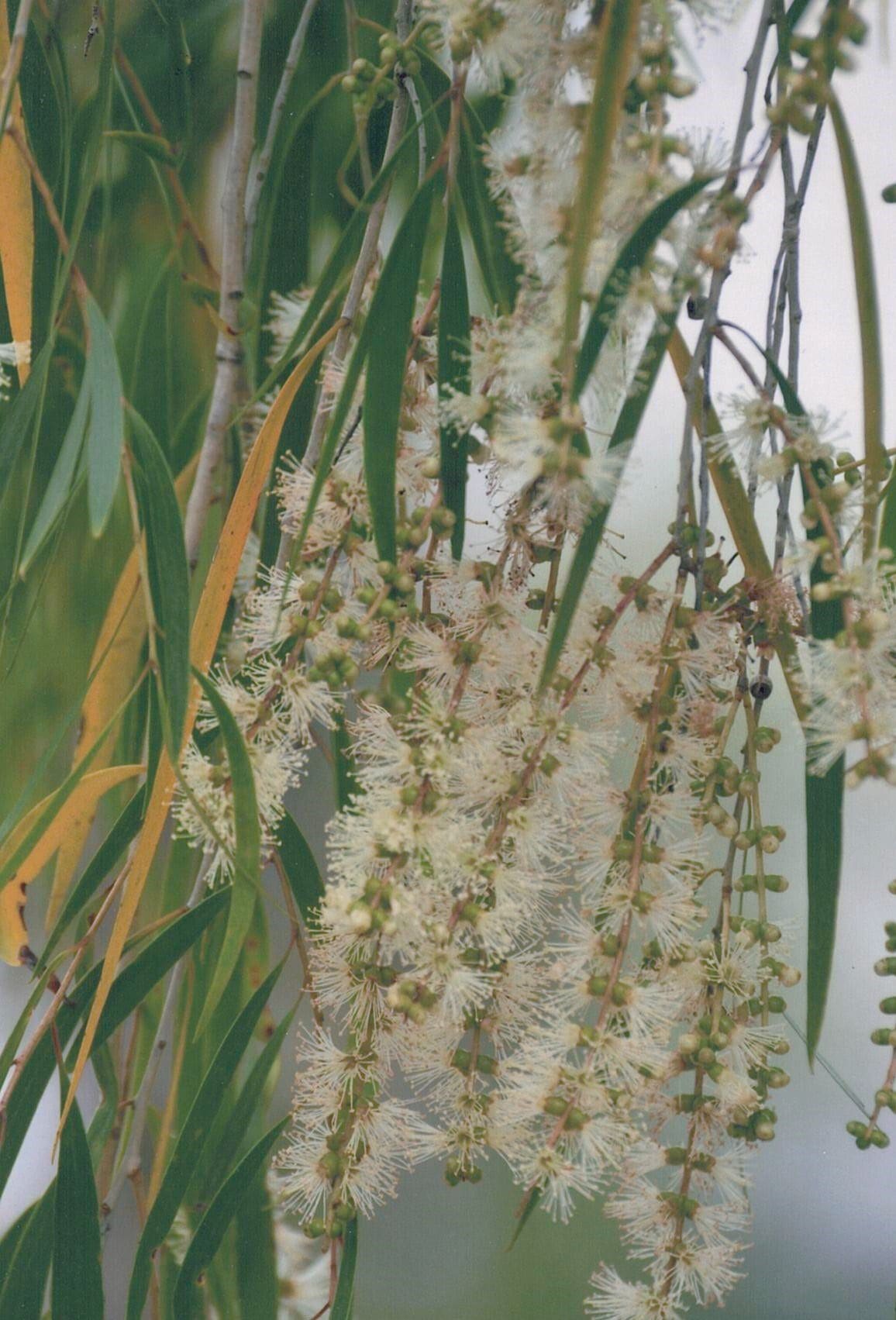
Melaleuca quinquenervia is the familiar Broadleaf Paperbark found beside waterways, coastal swamps and floodplain wetlands of eastern Australia. Its pale, many-layered bark, leathery leaves with conspicuous lengthwise veins and creamy bottlebrush-like flower spikes give it a distinctive character.
This seed lot is labelled the broad-leaf form. The species often grows around 8–12 m in gardens but can become much taller in suitable wetland conditions. A good choice for roomy properties and appropriately sited habitat plantings.
Key Features
- Bark: Soft-looking, layered white to buff paperbark.
- Flowers: Creamy-white spikes, often prominent in autumn, providing nectar for wildlife.
- Foliage: Broad, tough leaves marked by several longitudinal veins.
Growing Conditions
- Light: Full sun; tolerates some light shade.
- Soil: Moist sites, heavier soils and ground subject to periodic waterlogging; can also grow in well-drained soil with adequate water.
- Climate: Well suited to many eastern Australian coastal and subtropical conditions.
- Space: Allow for a substantial mature trunk, root system and spreading crown.
Propagation from Seed
- Prepare: Fine paperbark seed generally needs no special pretreatment.
- Sow: Sprinkle thinly over a moist, free-draining seed-raising mix and gently press into the surface.
- Germinate: Keep in good light with consistent gentle moisture; a capillary-watering tray can help keep the surface damp.
- Pot on: Transfer rooted seedlings into individual containers and establish them before planting out.
Seed-Grown Variation
This is sold as a broad-leaf seed lot of the species. Individual seed-grown trees may vary naturally in leaf dimensions and other features.
Germination advice: These instructions are a recommended guide. Germination results and timing may vary depending on seed freshness, storage, temperature and growing conditions. Alternative propagation methods may also be successful.

Reviews
There are no reviews yet.