
Description
Acacia concurrens – Black Wattle
Family: Fabaceae
Packet Size: 30 seeds
Description
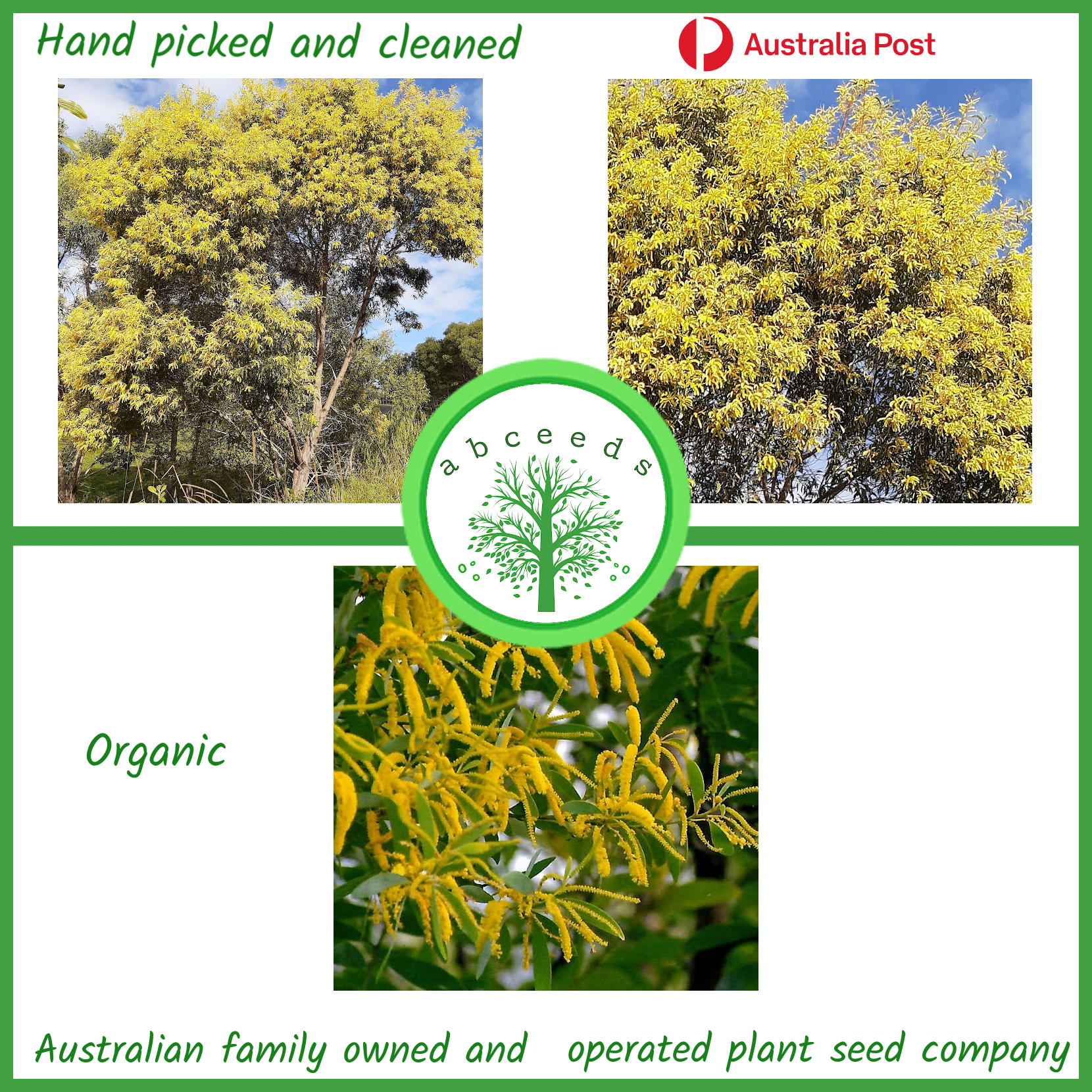
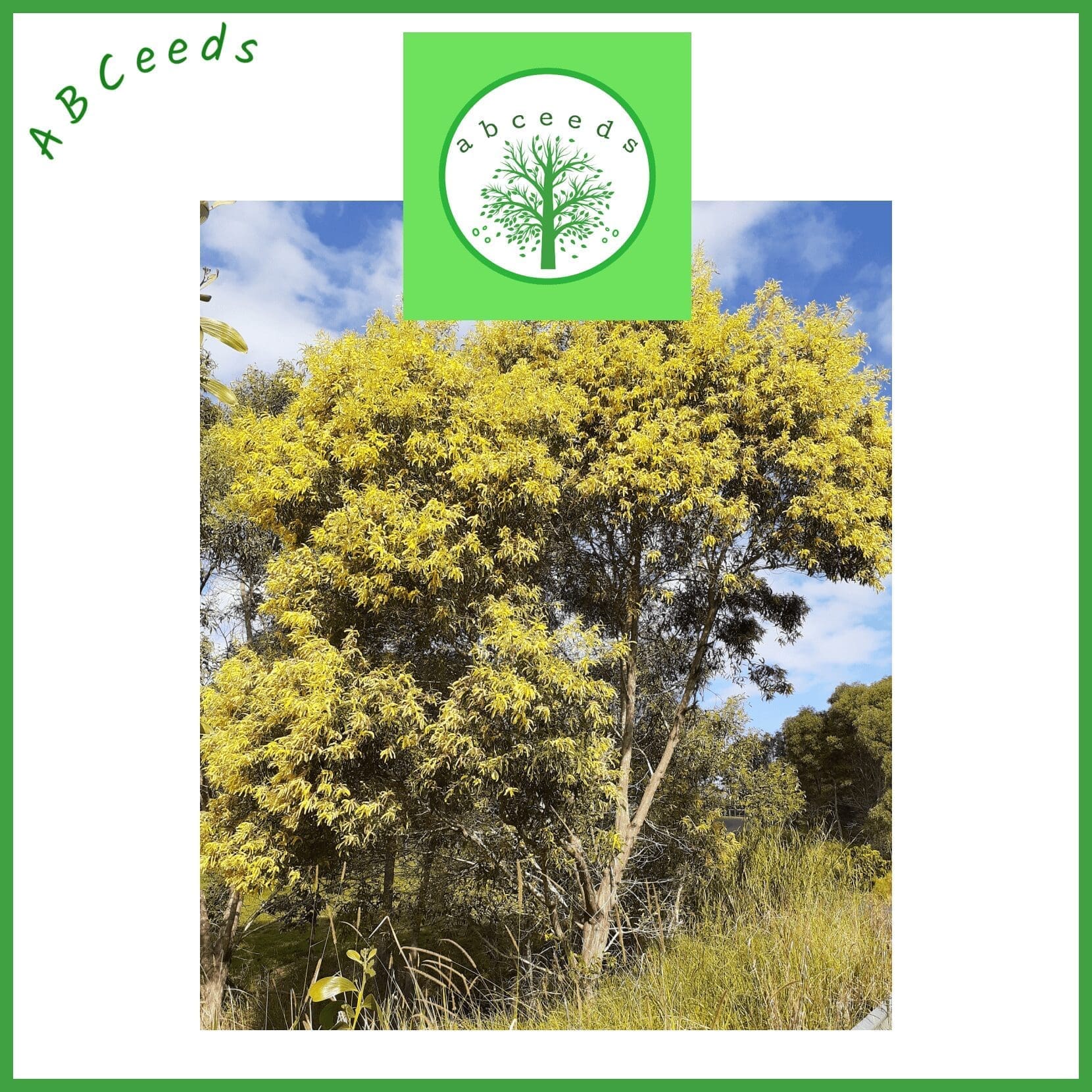
Acacia concurrens, often called Black Wattle or Curracabah, is a hardy shrub or small tree native to south-eastern Queensland and northern New South Wales. It is especially useful where quick shelter or a natural screen is wanted.
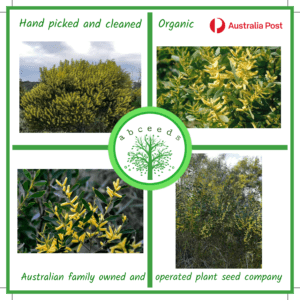
Unlike wattles with round, pompom-like flower heads, this species produces slender yellow flower spikes, usually in late winter and early spring. Its distinctive broad, slightly curved leaves (leaf-like flattened stalks) give the tree a substantial green appearance throughout the year.
Key Features
- Flowers: Golden-yellow, elongated spikes appearing mainly from late winter into early spring.
- Foliage: Broad green leaves, often curved or asymmetrical, which distinguish it from fine-leaved wattles.
- Plant habit: Fast-growing, usually a small to medium tree; may reach around 10 m in favourable conditions.
- Garden uses: Informal screening, coastal gardens, shelter planting and naturalistic native plantings.
Growing Conditions
- Position: Full sun is preferred.
- Soil: Adaptable to many soils; establish in a position with reasonable drainage.
- Watering: Keep young plants watered during establishment, then adjust to seasonal rainfall and conditions.
- Climate: Particularly well suited to warmer eastern Australian coastal districts.
- Pruning: Light formative pruning can encourage a denser screen where needed.
Seed Propagation
- Prepare: For the hard seed coat, gently rub a small area with fine sandpaper or carefully nick the coat without damaging the seed inside. Soak in room-temperature water for approximately 12–24 hours before sowing.
- Sow: Plant approximately 5 mm deep in a clean, freely draining seed-raising mix and firm gently.
- Position: Place in a warm, bright, sheltered spot out of harsh midday sun while seedlings are small.
- Moisture: Keep the mix evenly moist but not saturated.
- Germination: Timing varies with seed age, nicking or scratching the seed coat and temperature. Continue to monitor the tray if emergence is uneven.
- Transplant: Move seedlings to individual pots once they have established their first true leaves and can be handled safely.
Growing Note: Check that the species suits your locality and planting site, especially near natural bushland.
Reviews
There are no reviews yet.